

I recently had the chance to talk at "Design na Hranici/Design on the Edge," part of Zlín Design Week, an annual week-long festival held in Zlín, Czech Republic, celebrating design, emerging talents, and creativity. Since most of the audience were students, I decided not to talk about projects or achievements, but about my first years as a young designer: what challenged me the most when I entered the industry.
Building A Staircase Is Not Easy | A Metaphor
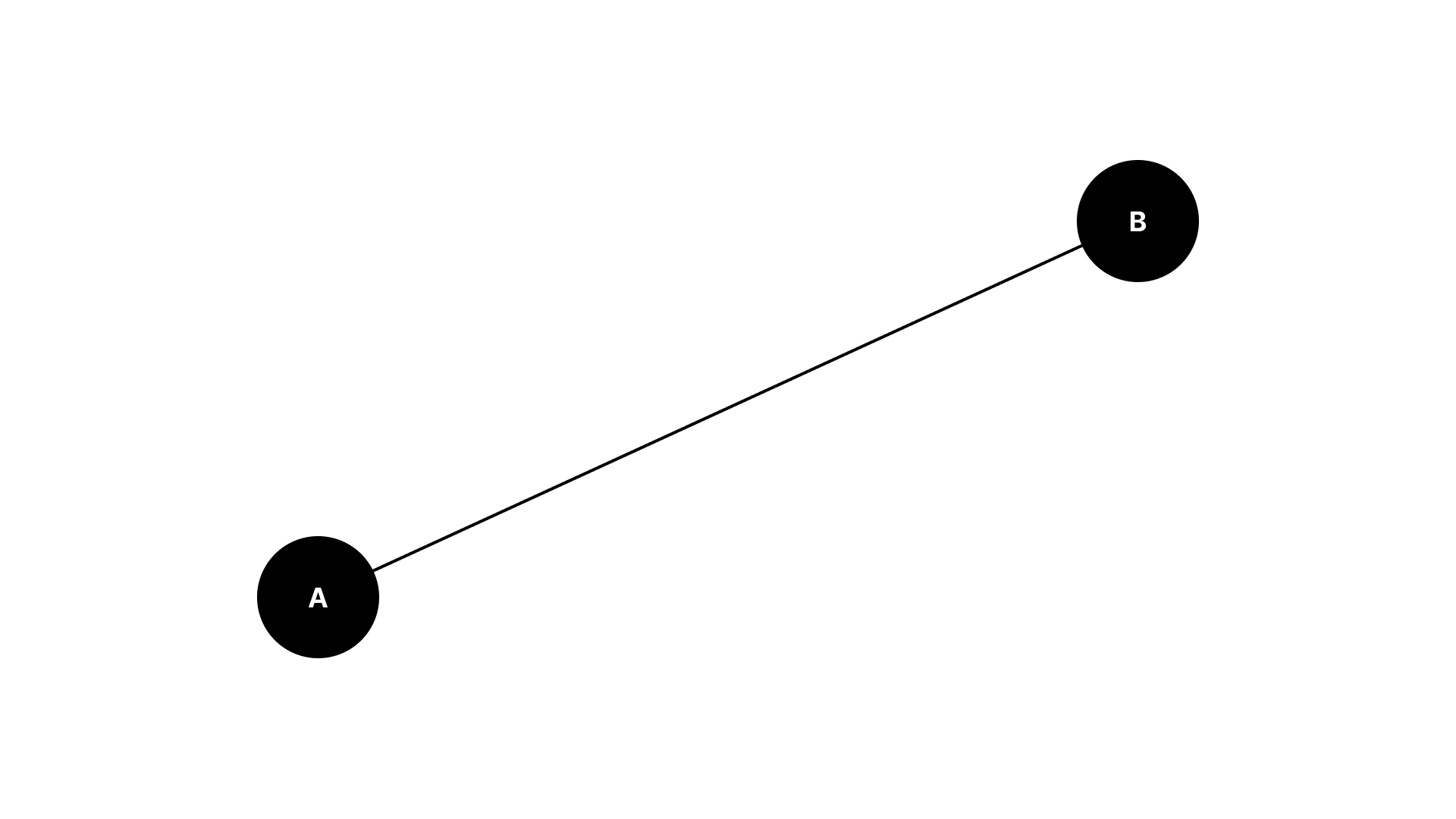
More often than not, things look far easier on the surface than they actually are. Building a staircase, for example, seems straightforward. You simply connect two points at different heights with steps. How hard can it be?
But once you start, the questions pile up fast. What's the ideal angle for the steps? What are the building codes in your region? How do you handle load-bearing walls, materials, or accessibility requirements? What felt like a simple line connecting two points turns out to be a small engineering problem, full of constraints most people never think about. Like with everything, you have to do it yourself before you truly understand it. There's a real difference between "knowing" how something is done and having actually done it yourself.
This is how most misunderstandings happen in the design process. People assume they know how things are created: a string of logical decisions, one after the other. That's where the frustration sets in, especially when you're fresh out of university.
The Reality Check
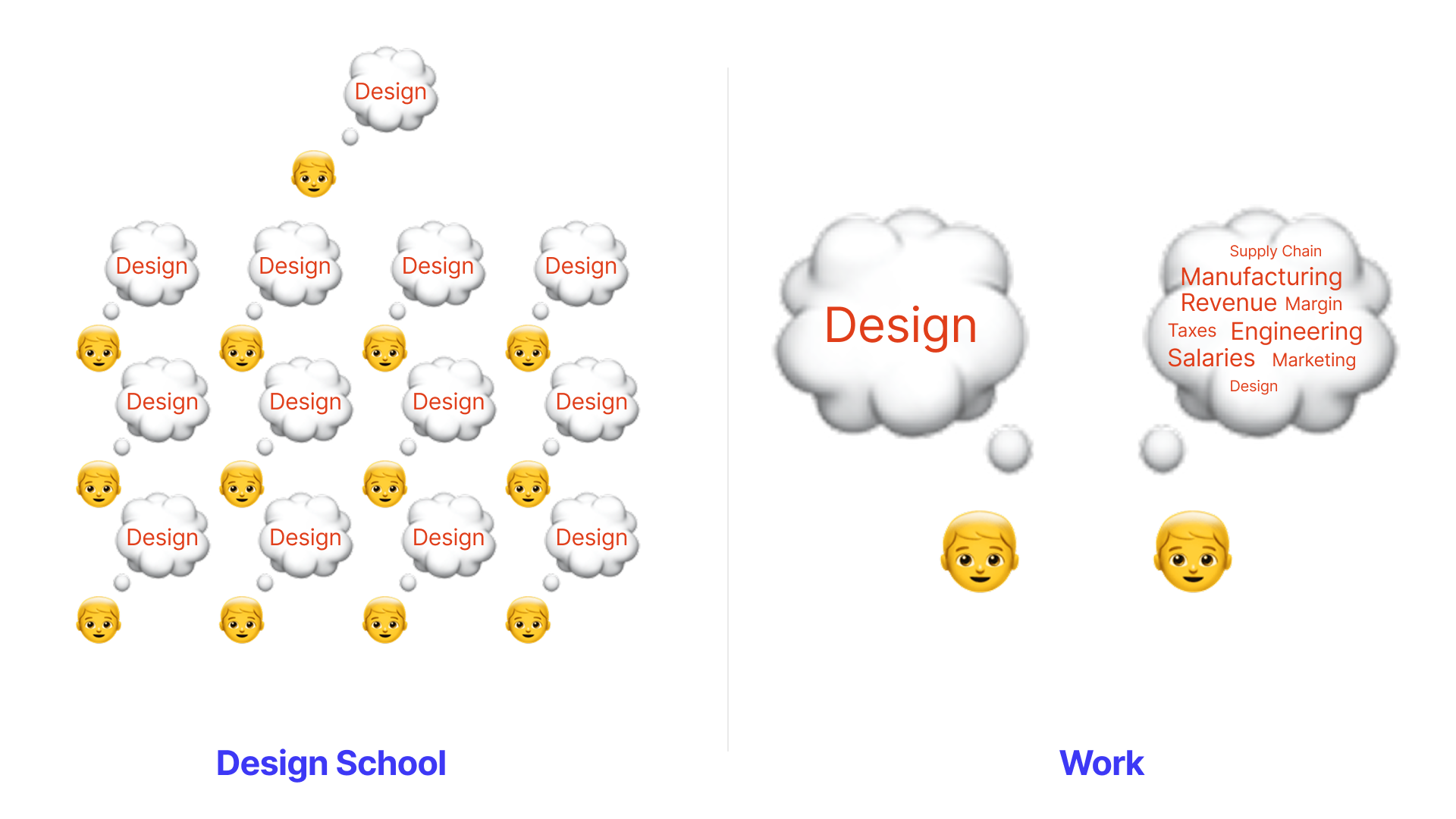
One of the things I realized after getting my first job at a design agency was that studying design gives you a slightly skewed vision of the profession. During your studies, you spend all your time surrounded by other design students and designers: people who speak the same language, use the same tools, and understand the complexity of the work. But that's not the norm.
Not everyone lands a job in a big design department right out of school. You might join an agency, a startup, or a manufacturing company. In every case, you'll need to work with people specialized in completely different areas. Conversations that used to flow suddenly need translating.
Seeing a project through requires many pieces to come together, and that means working with people from all kinds of backgrounds: engineering, finance, manufacturing, sales, supply chain, and more, all pursuing the same goal.
One of my biggest frustrations early on was that not everyone understood the design process, which led to misunderstandings and confusion. Things that seemed obvious to me weren't obvious to others at all.
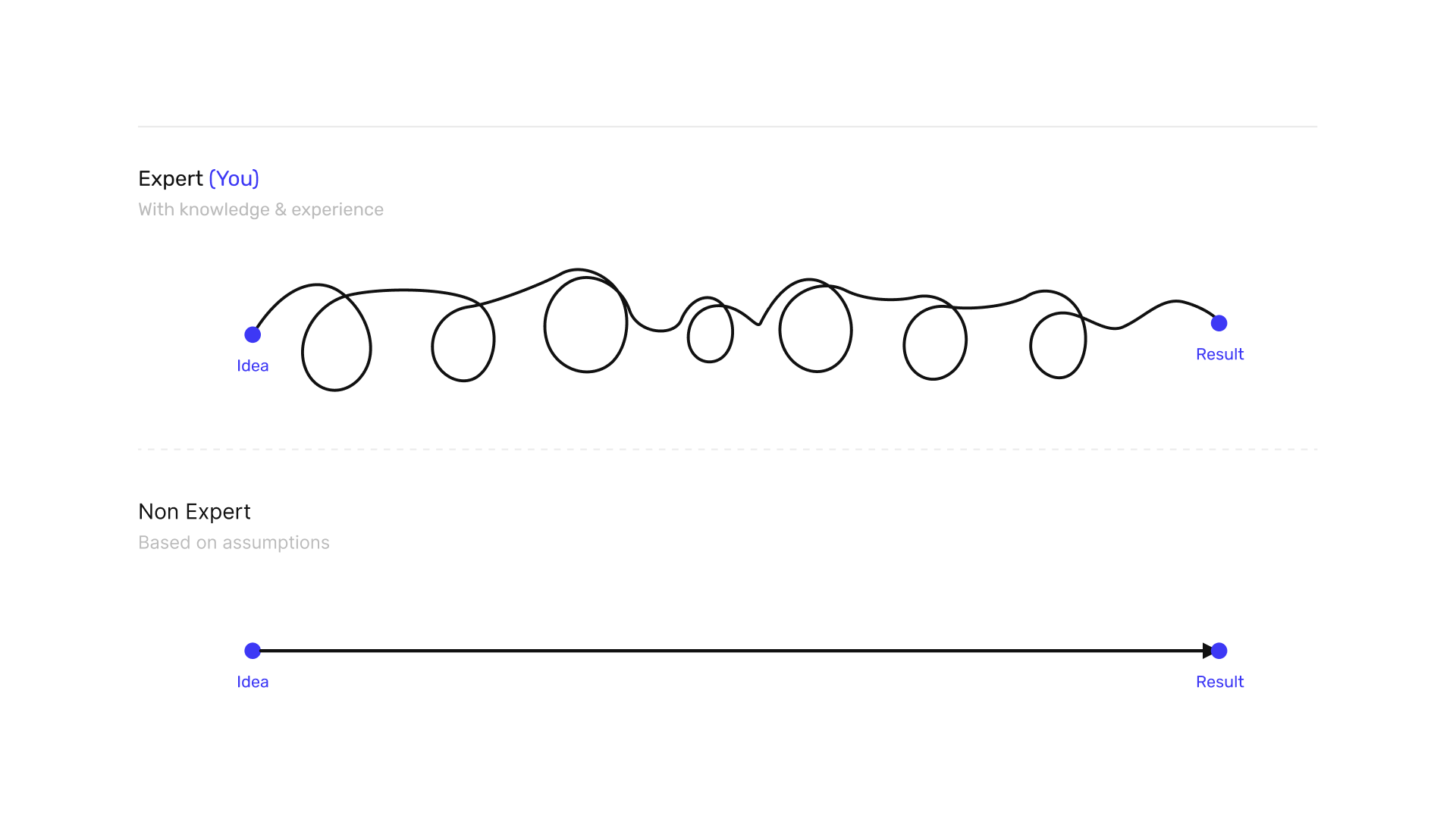
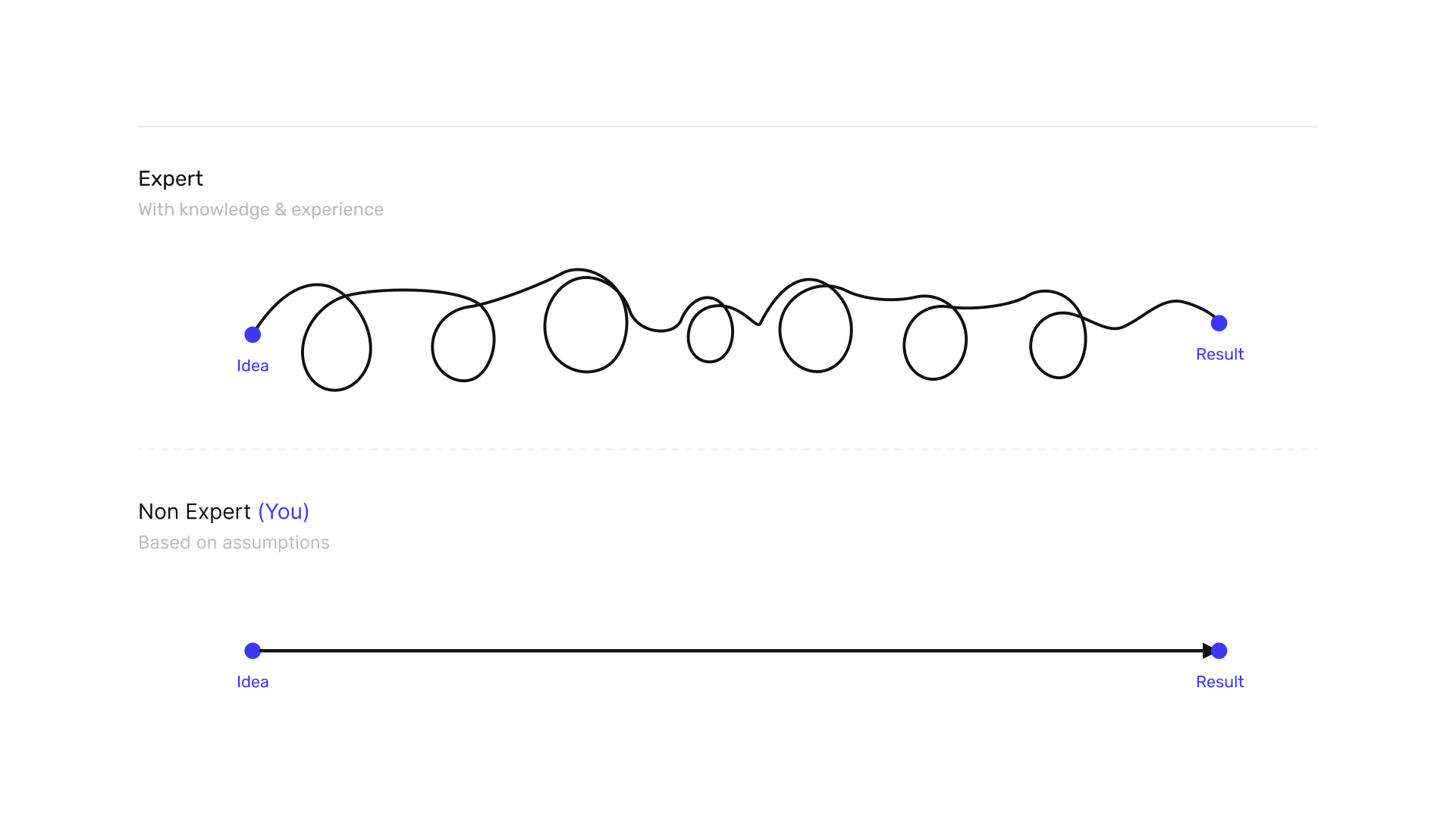
It took me a while to understand that working with people without a design background requires a different way of working. You have to be clear and precise, and explain things without relying on design jargon. And don't underestimate the fact that in many cases, you're not the expert.
One of my biggest frustrations early on was that not everyone understood the design process, which led to misunderstandings and confusion. Things that seemed obvious to me weren't obvious to others at all. That's no surprise, of course: not everyone on the team had a design education.
It took me a while to understand that working with "non-experts" requires a different way of working. You have to be clear and precise, and explain things without relying on design jargon. And don't underestimate the fact that in many cases, you're not the expert.
Knowledge Overlap
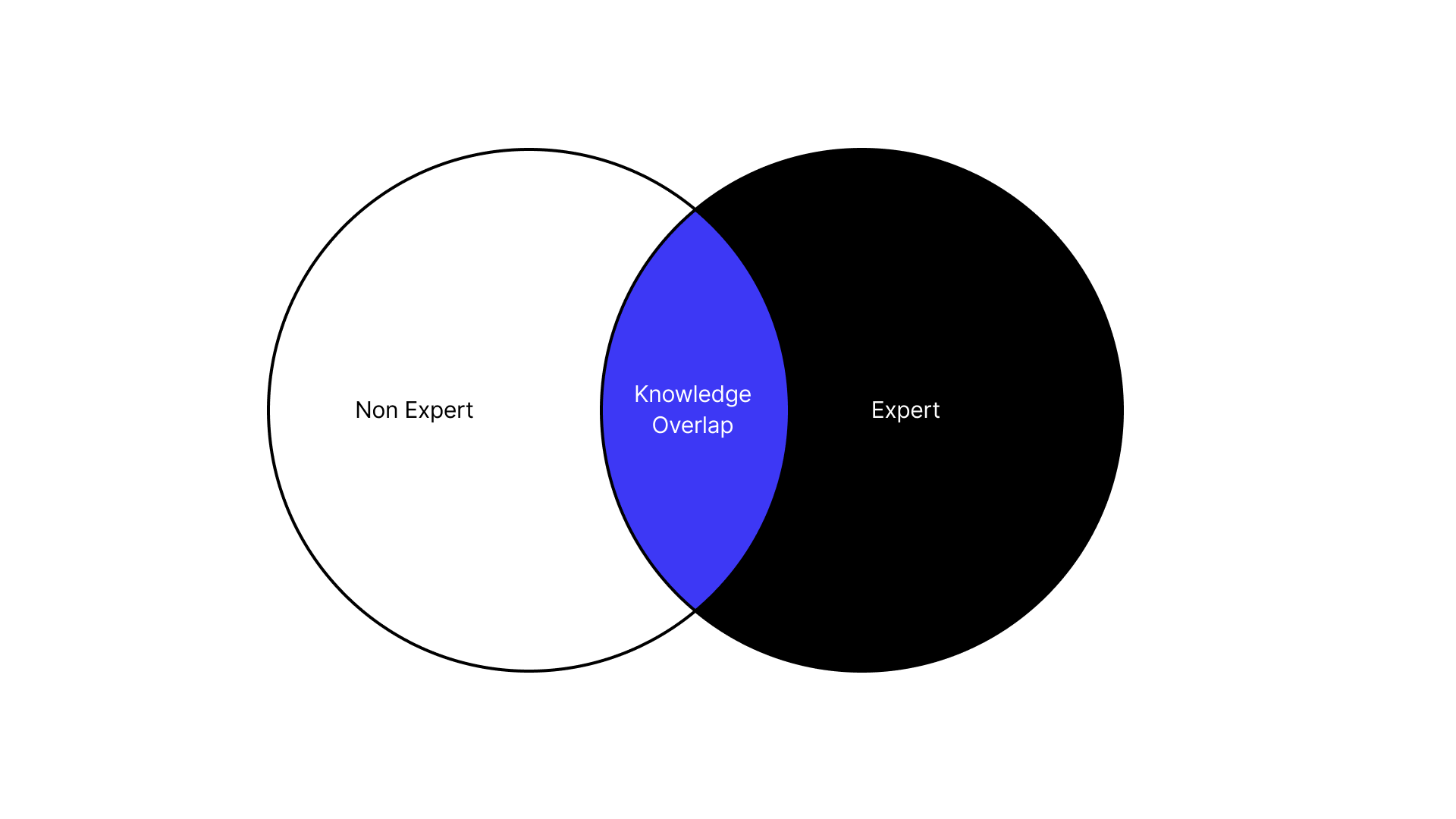
At the beginning of any project, the main objective should be to increase what I call the "knowledge overlap." The goal is to clarify as much as possible, as early as possible. This means asking more questions than you think you need to, and resisting the urge to assume shared context. It means explaining not just what you're designing, but why: the reasoning behind a decision is often more valuable to a non-designer than the decision itself. Visuals help too. A sketch, a diagram, or a quick prototype can close a gap that would take paragraphs of explanation to bridge.
The more overlap you build early on, the fewer surprises later. Misunderstandings don't usually show up at the start of a project. They show up in week six, when someone finally asks a question that reveals you'd been talking past each other the whole time.
Looking back, the biggest shift in my career wasn't learning a new tool or design method: it was learning how to work with people who don't think the way I do. Design school teaches you to speak fluently with other designers, but the real job is often about translation, patience, and building enough shared understanding to move forward together. The sooner you close that knowledge gap, the smoother the whole project runs.